
You went to bed on time, slept for eight hours, and still woke up feeling like you barely slept. Sound familiar? Getting enough hours in bed does not always mean you are getting enough quality sleep. For adults, at least seven hours is generally recommended, but uninterrupted and refreshing sleep is also important.
If you regularly wake up tired despite spending around eight hours in bed, the problem may not simply be that you need more sleep. Your sleep quality, daily habits, stress levels, diet, medications, or an underlying health issue could all be playing a role.

1. Eight Hours of Sleep Doesn’t Always Mean Eight Hours of Quality Sleep
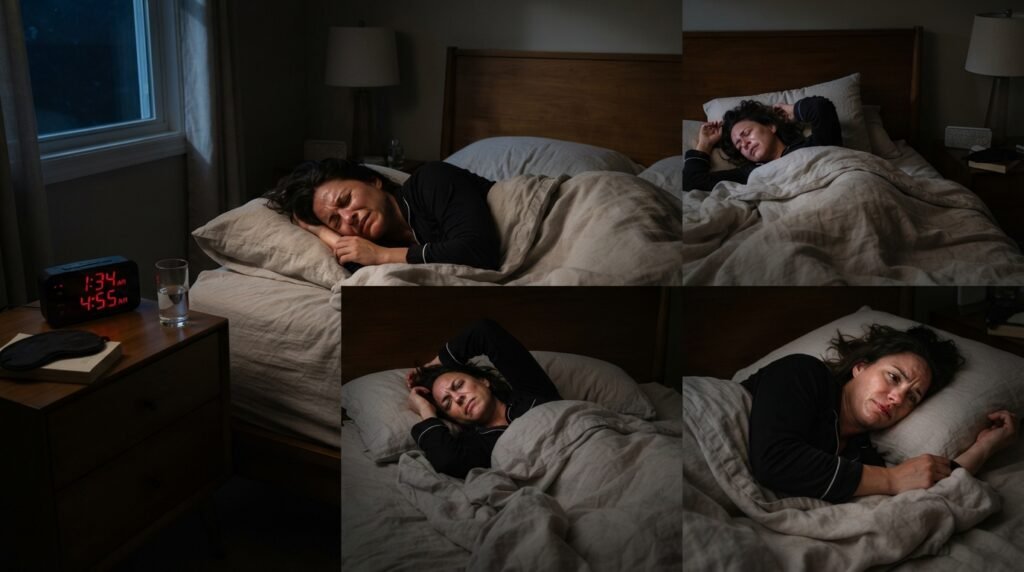
One of the biggest reasons you can feel exhausted after eight hours is that your sleep may be frequently interrupted without you fully realising it.
You might wake briefly several times during the night, spend too much time in lighter stages of sleep, or have an environment that makes it difficult to stay asleep. Noise, an uncomfortable room temperature, an inconsistent bedtime, alcohol, caffeine, and late-night screen use can all interfere with healthy sleep habits. The CDC notes that good sleep is about both getting enough sleep and getting good-quality, uninterrupted sleep.
What you can do
Try keeping your bedtime and wake-up time consistent, including at weekends. Make your bedroom quiet, comfortable and cool, and reduce exposure to electronic devices before bed. Avoid large meals, caffeine and alcohol close to bedtime if they interfere with your sleep.
Small changes to your sleep routine can make a surprisingly big difference.
2. Your Sleep Schedule Could Be Working Against You
You may technically be getting eight hours, but the timing of those hours can still affect how refreshed you feel.
Going to bed at completely different times each night, sleeping much later at weekends, or regularly staying up late can make it harder to maintain a consistent sleep-wake rhythm. Your body works best when sleep and wake times are relatively predictable.
A regular routine can help your body know when it is time to wind down and when it is time to become alert. Getting natural light earlier in the day and staying physically active can also support a healthier sleep routine.
Try this simple routine
Choose a realistic bedtime and wake-up time that you can follow most days. Instead of trying to “catch up” on sleep whenever you feel exhausted, focus on creating a consistent pattern
3. Stress and Mental Overload Can Leave You Feeling Exhausted
Sometimes your body is asleep, but your mind never really switches off.
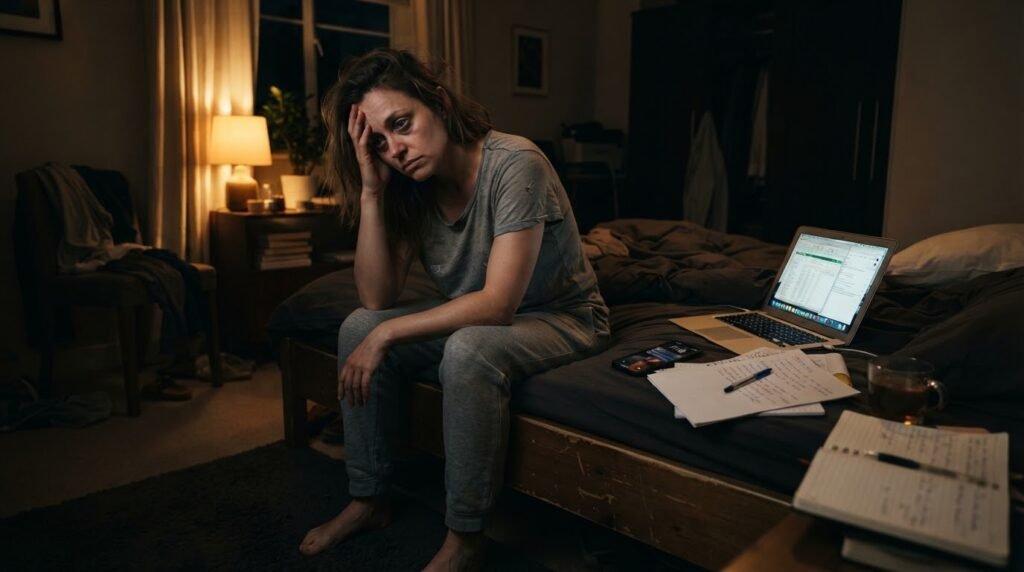
Work pressure, financial worries, family responsibilities, anxiety and everyday stress can make it difficult to relax before bed. Even if you eventually fall asleep, ongoing stress can contribute to poor sleep and daytime tiredness. The NHS lists stress, depression and difficult life circumstances among common causes of tiredness and fatigue.
This can create a frustrating cycle: you feel stressed, sleep poorly, wake up tired, and then have less energy to deal with the next day.
Give your mind time to slow down
Instead of going directly from work, social media or television into bed, create a short wind-down period. Reading, gentle stretching, breathing exercises or simply putting your phone away can help create a clearer boundary between your busy day and bedtime.
You don’t need an elaborate night time routine. Even 20–30 minutes of quiet time can help you transition into sleep.
4. Your Lifestyle During the Day Matters More Than You Think
Sleep doesn’t exist in isolation. What you eat, how much you move and how much caffeine or alcohol you consume can influence how you feel throughout the day.
Regular physical activity can help reduce tiredness over time, while even a short walk can provide an energy boost. The NHS also recommends regular exercise and a healthy diet as part of managing tiredness.
Caffeine deserves particular attention. It can make you feel more awake temporarily, but consuming it later in the day can interfere with your sleep and contribute to tiredness the following day. The NHS notes that caffeine’s effects can last for several hours.
Focus on the basics
Stay physically active, eat regular balanced meals, drink enough fluids and pay attention to when you consume caffeine. You don’t have to completely transform your lifestyle overnight. Start with one or two habits and build from there.

5. You Could Be Dealing With a Sleep Problem
If you regularly wake up tired despite getting enough time in bed, it is worth considering whether something is disrupting your sleep.
For example, sleep apnoea can cause breathing to repeatedly stop and start during sleep. Common warning signs include loud snoring, gasping or choking during sleep and significant daytime sleepiness or tiredness.
The tricky part is that you may not realise anything is happening because you are asleep when the interruptions occur. Someone who sleeps near you may notice loud snoring or unusual breathing before you do.
If you regularly experience these symptoms, speak with a healthcare professional rather than assuming you simply need more sleep

6. Sometimes Tiredness Has Nothing to Do With Your Bedtime
Persistent tiredness can sometimes be connected to an underlying health problem.
The NHS lists several possible causes of ongoing fatigue, including iron-deficiency anaemia, thyroid problems, diabetes, stress, depression and certain illnesses or medications.
For example, iron-deficiency anaemia can cause tiredness and lack of energy, while an underactive thyroid can cause significant fatigue alongside symptoms such as feeling unusually cold, weight gain or difficulty concentrating.
This doesn’t mean that feeling tired automatically means you have a medical condition. However, persistent unexplained fatigue shouldn’t simply be ignored.
How to Wake Up Feeling More Refreshed
If you are regularly waking up tired, start by improving the fundamentals rather than immediately assuming you need more hours of sleep.
Try these simple changes:
Keep a consistent sleep schedule: Go to bed and wake up around the same time each day.
Create a relaxing bedroom: Keep your sleeping environment quiet, comfortable and not too warm.
Reduce evening screen time: Give yourself some time away from phones, tablets and other screens before bed.
Watch your caffeine intake: Avoid consuming caffeine late in the day if it affects your sleep.
Stay active: Regular physical activity can support energy levels and sleep quality.
Get natural daylight: Morning or daytime light can help support your body’s sleep-wake rhythm.
Pay attention to stress: Give yourself time to relax before going to bed rather than carrying the day’s worries directly into your bedroom.
When Should You Talk to a Doctor?
Feeling tired occasionally is normal. But if your tiredness has continued for several weeks, affects your daily life, or comes with other symptoms, it is worth speaking with your GP. The NHS specifically recommends seeking medical advice when ongoing tiredness has no clear explanation or is affecting everyday life.
You should also seek advice if you regularly fall asleep during the day, experience excessive daytime sleepiness, or have symptoms such as loud snoring, gasping or choking during sleep
The Bottom Line: Sleep More Isn’t Always the Answer
If you feel tired after eight hours of sleep, don’t immediately assume that you need to spend even more time in bed. The bigger question is whether your sleep is consistent, uninterrupted and genuinely restorative.
Your daily habits matter, too. A regular sleep schedule, healthy diet, physical activity, sensible caffeine use and effective stress management can all support better sleep and daytime energy.
And if you are consistently exhausted despite making healthy changes, don’t simply accept it as normal. Persistent fatigue can sometimes be a sign that something else needs attention.
Ready to Feel More Energised?
Start tonight with one simple change: create a consistent bedtime routine, put your phone away before bed, and give your mind time to slow down. Better energy tomorrow often starts with better habits today.